Casino games are not just about luck and chance. There’s a fascinating world of psychology behind their design. Every detail, from colors to sounds, is carefully crafted to engage players and keep them coming back for more. Platforms like HellSpin are exemplary in how they utilize these psychological strategies effectively.
Colors That Catch the Eye
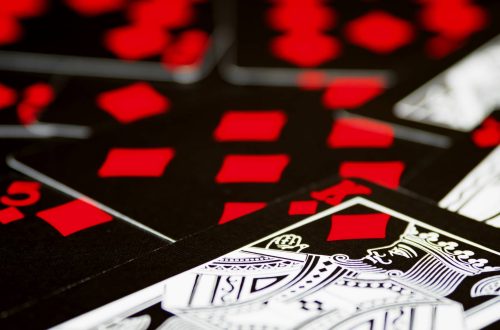
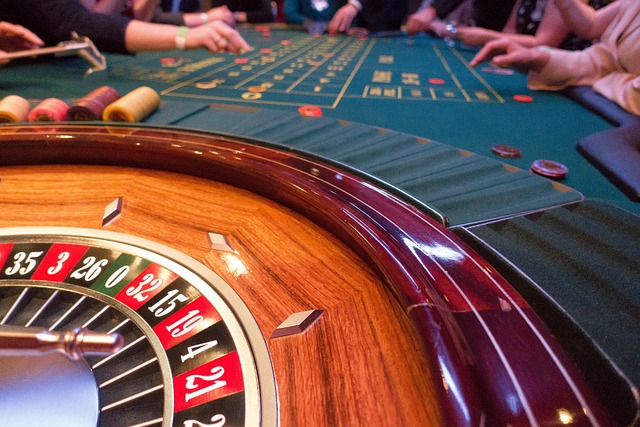
Casinos use bright and vibrant colors in their game designs for a reason. Red, for example, is not just eye-catching; it also evokes feelings of excitement and urgency. It’s no coincidence that red is often seen on slot machines and roulette tables. These colors are chosen to stimulate the senses and draw players in. Additionally, the color blue is frequently used. It instills a sense of calm and security. It encourages players to stay longer and feel more comfortable while gambling.
Beyond red and blue, you’ll often see a palette of yellows and greens. They are used to create a happy and energetic environment. These colors are particularly effective in areas where games of skill, like blackjack and poker, are played. They help maintain a high energy level which is crucial for games that require concentration and endurance.
Sounds of Success
The sounds in casino games are equally strategic. The cheerful jingles and the clinking of coins are designed to create an atmosphere of winning and happiness. These sounds reinforce the thrill of playing. They can make the experience more enjoyable, encouraging players to stay longer. The key is in their variability. A mix of various tones and sequences can keep the auditory environment engaging and prevent it from becoming monotonous.
In addition to these celebratory sounds, quieter, soothing music is often played in the background. This music is designed to relax the players. It reduces the perceived stress of losing and enhancing the overall experience. This subtle auditory layer helps in keeping the players calm and extends the time they spend at a game.
Game Dynamics That Engage

The way casino games are structured also plays a crucial role in player retention. Games are often easy to start but challenging to master. This balance keeps players engaged. It gives them just enough of a challenge to keep the game interesting without being discouraging. The learning curve is designed to be steep enough to offer a challenge but not so difficult that it becomes frustrating.
Each game is carefully engineered to offer frequent but varied outcomes that suggest the possibility of winning big. This unpredictability taps into the player’s curiosity and excitement, driving them to continue playing in hopes of discovering a pattern or beating the odds. It’s this finely tuned game dynamic that makes casino games so enticing.
Reward Systems That Motivate
Casinos are experts at reward systems. Frequent small wins, or the anticipation of a big jackpot, can make players feel closer to a big reward. This intermittent reinforcement encourages players to keep trying their luck, similar to how video games operate to keep players hooked. This strategy plays on the human tendency to respond to rewards by continuing the behavior that seems to promise more rewards.
The placement of bigger jackpots and more dramatic wins are often timed to keep players engaged during periods of lower activity or after a player has experienced a loss. This strategic distribution of wins keeps the hope alive and the players invested in the game. The psychology used here is similar to that found in many forms of entertainment and gaming, where the promise of eventual success keeps users engaged longer than they might be otherwise.
Blend of Art and Science
The psychology behind casino game design is a blend of art and science. By understanding how colors, sounds, and game dynamics affect emotions and behavior, casinos create environments that are not only visually appealing and fun but also psychologically engaging. This sophisticated approach ensures that the casino experience is as compelling and enjoyable as possible, encouraging players to return time and time again. The thoughtful integration of psychological elements makes the casino more than just a place to gamble—it becomes a compelling world of entertainment.